How Lego Transformed from a Simple Toy into a Global Branding Powerhouse
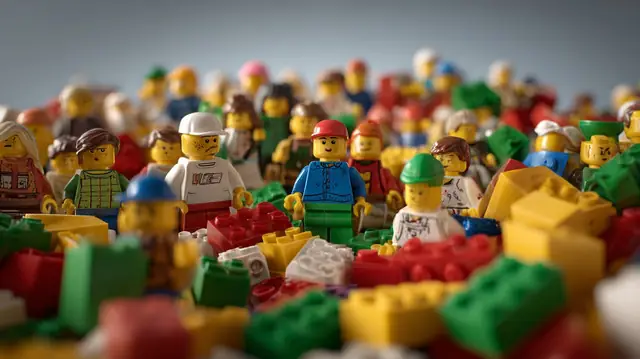
Lego was never supposed to become a global cultural force. It began as a simple wooden toy made in a small Danish workshop. Yet today it stands as one of the most recognizable brands in the world. What makes Lego remarkable is not only its product but its evolution into a storytelling-driven, innovation-powered empire.
The rise of Lego offers a blueprint for modern brands that want to stay relevant in a fast-changing world. This is the story of how a toy turned into a symbol of imagination, consistency and strategic reinvention.
The Humble Beginning That Set the Foundation
Lego’s origin traces back to 1932 when Ole Kirk Christiansen started making wooden toys during the Great Depression. There was no grand vision. There was only craftsmanship, resilience and the desire to create toys that lasted.
The turning point came in 1947 when Lego shifted from wood to plastic. At the time, plastic toys were unusual and often dismissed as cheap. But Christiansen believed in the future of this new material and invested heavily in molding technology.
This early decision became the core of Lego’s identity. Consistency, precision and quality were built into every brick.
The Brick That Changed Everything
In 1958 Lego patented the interlocking brick design that remains unchanged even today. This single design decision created something powerful. Every brick from the 1950s still fits with every brick produced today.
That level of backward compatibility is rare in any industry. It reflects the brand’s commitment to durability and long-term value. Families across generations build with the same system. That consistency is one of the strongest brand assets Lego ever created.
Lego did not just sell bricks. It sold a framework for creativity that stayed stable for decades.
When the Brand Almost Collapsed
Lego’s story is not a smooth rise. The brand faced a serious crisis in the early 2000s. Sales were falling. Costs were rising. The company had expanded too aggressively into theme parks, clothing, media and products far removed from its core identity.
By 2004 Lego was nearing bankruptcy.
This is where the most important chapter begins. Lego took a step back and re-examined what made the brand valuable. Instead of chasing trends, it returned to what customers loved most: creativity, building and storytelling.
The turnaround became one of the most studied brand recovery stories in the world.
The Strategic Reset That Saved the Company
Lego’s revival was built on three foundational decisions.
It refocused on its core product.
The company cut side ventures and brought attention back to sets, themes and brick-based experiences.
It collaborated with the audience instead of guessing their needs.
Lego introduced crowdsourcing platforms like Lego Ideas, letting fans submit new set concepts. Many of these became global hits.
It embraced licensing in a strategic way.
Partnerships with Star Wars, Harry Potter and Marvel allowed Lego to blend creativity with powerful storytelling universes.
Lego realized that children were not the only audience. Adults wanted Lego experiences too. This insight opened new markets and strengthened community loyalty.
Watch this: LEGO’s Comeback: From Nearly Bankrupt To $6 Billion
Case Study: The Lego Movie - A Masterclass in Brand Reinvention
One of the strongest examples of Lego’s brand strategy in action is the release of The Lego Movie in 2014.
The movie was not just a commercial success. It was a branding triumph.
Here is what made it powerful.
The film transformed Lego from a toy into a storytelling universe. Instead of pushing product, it celebrated imagination. It also connected three generations of Lego lovers through humor, nostalgia and creativity.
The movie created a cultural moment where Lego was not just a children’s brand. It was a shared symbol of fun and possibility. After the film’s release, Lego reported a surge in global sales along with a rapid rise in brand affinity.
The Lego Movie instantly shifted the brand from product category to cultural icon.
How Lego Built a Global Community Instead of a Customer Base
Brands that dominate categories do not just sell products. They build communities. Lego’s community strategy is one of its strongest competitive advantages.
The brand encouraged user participation through fan events, competitions, co-created sets and digital platforms. Lego stores became experiential spaces where creativity took center stage. The company treated fans as creators, not consumers.
This community-first approach helped Lego stand apart in a market filled with passive toy experiences.
Innovation That Never Breaks the Brand
Lego is a rare example of a brand that innovates constantly without losing its identity. This balance is the reason it remains timeless.
Lego expanded into robotics with Lego Mindstorms and later Lego Boost. It built immersive gaming experiences. It created educational tools used worldwide in schools. It introduced Lego Architecture, appealing to design enthusiasts and adults.
The brand’s innovations remain connected to one core idea. Every experience must encourage creativity. This clarity helps Lego evolve without confusing its identity.
Strong brands innovate, but they do so with discipline and purpose.
Why Lego’s Dominance Still Grows Today
Lego continues to lead because it understands modern brand building at a deep level. Its strategies reflect the same principles that drive successful SEO and consumer engagement today: clear intent, consistent messaging, user-driven content and community trust .
The brand stayed relevant across decades because it mastered two things:
Understanding its audience and delivering value with unmatched precision. These are the same fundamentals that shape every successful long-term growth strategy .
Final Thoughts: What Every Brand Can Learn from Lego
Lego’s rise is not accidental. It is built on clarity, innovation, storytelling and community. The company transformed a simple toy into a global symbol by staying honest to its purpose while adapting to culture and technology.
Any brand today can learn from Lego’s journey. When you understand your audience deeply, build consistently and put creativity at the center, your brand can rise from product to cultural icon.
Lego did not just build toys. It built a legacy that continues to inspire imagination across the world.
Ready to Transform Your Marketing, Branding & Advertising Strategy?
Marketing - marketing strategies that drive real connections and lasting impact.
Advertisement - bold ideas and unforgettable campaigns powered by intelligent automation.
Ad Tech - data-driven power for every campaign with advanced tracking and optimization.
Branding - your story, instantly distinct and emotionally true through enhanced creativity.
Satyam Mishra
AI Automation Expert