Why Luxury Brands Are Becoming Relatable and Why It Works
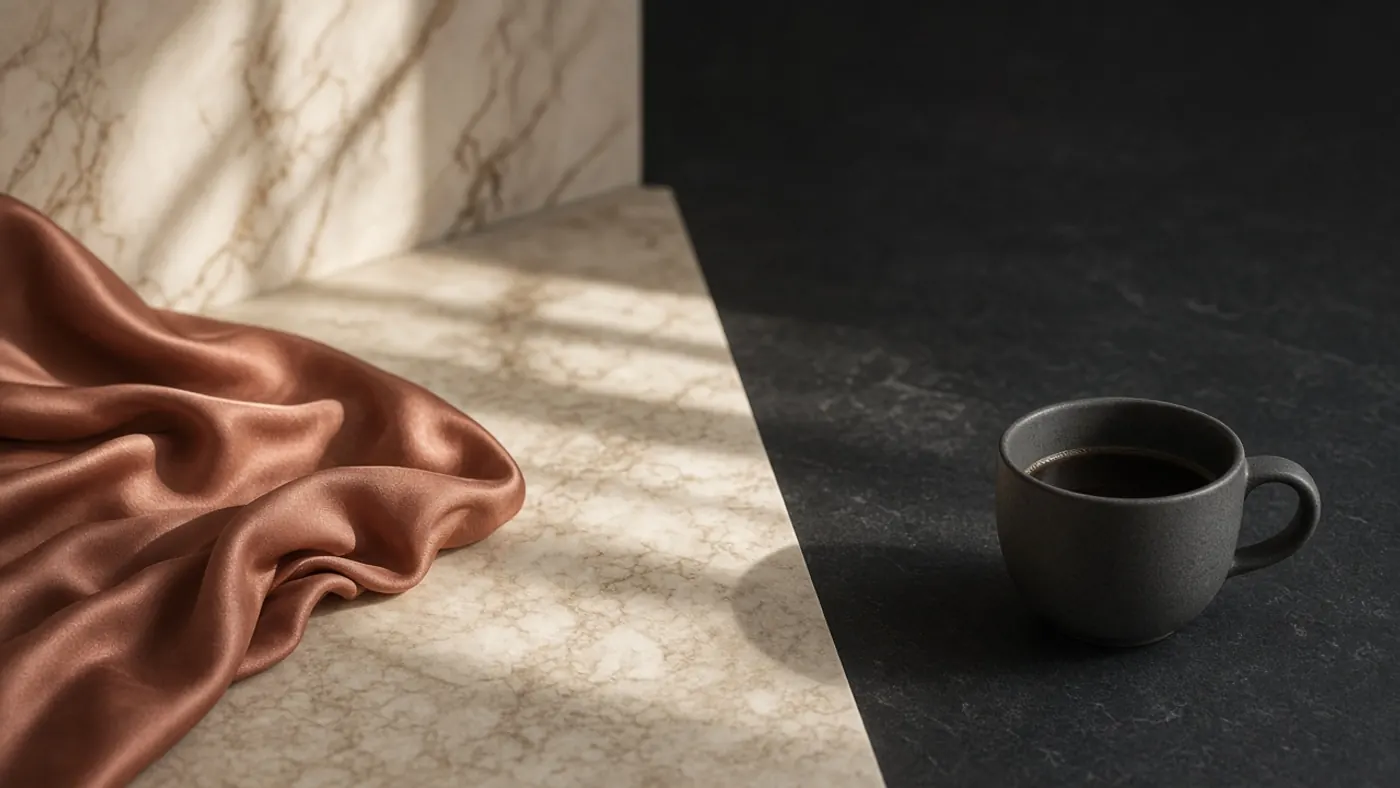
Luxury was once defined by distance. Velvet ropes. Closed doors. Aspirational worlds far from everyday life.
Today a surprising shift is happening. Luxury brands are behaving more human, more accessible, and more culturally aware. It is not a random trend. It is a strategic response to a new generation of buyers who crave connection just as much as exclusivity.
This change is reshaping the industry.
Below is a breakdown of why luxury is becoming relatable and why this strategy is delivering record engagement and revenue.
The Old Luxury Narrative Is Breaking
For decades, luxury relied on mystery. Limited access created desire. Consumers admired from a distance and purchased to signal status.
But modern consumers no longer respond to distance. They reward brands that understand their world, speak their language, and recognize their individuality.
Three forces pushed luxury toward relatability:
- Younger buyers entering the luxury market with different expectations.
- Social media making exclusivity feel outdated rather than aspirational.
- A cultural shift toward authenticity and transparency.
The New Consumer Luxury Brands Must Win
Gen Z and young millennials now account for the fastest-growing luxury spending segment. They want status, but not at the cost of connection.
What they expect from luxury today:
- Personality instead of perfection
- Behind-the-scenes transparency instead of guarded imagery
- Cultural relevance instead of distant superiority
- Two-way conversation instead of one-way advertising
Luxury brands can no longer rely on heritage alone. They must communicate like humans, not institutions.
Relatability Is Becoming a Growth Lever
This shift is not about becoming cheap or abandoning exclusivity. Relatability is being used as a brand growth driver.
Here is why it works:
1. It reduces psychological distance
When consumers feel closer to a brand, their purchase intent rises. Social content, casual storytelling, and interactive campaigns create that closeness.
2. It unlocks virality
Relatable luxury content travels faster on social platforms than traditional runway-style campaigns. It feels native to the feed.
3. It reflects modern status
Owning luxury is no longer about being above culture. It is about being in culture. Relatability helps brands stay relevant.
4. It strengthens loyalty
Consumers form deeper bonds when brands reveal their human side. This leads to stronger repeat purchase behavior and higher lifetime value.
Real Case Study: How Loewe Won Gen Z With Unfiltered Relatability
Loewe became one of the most influential luxury brands of the decade by embracing a strategy many luxury houses avoided. The brand moved away from ultra-polished campaigns and leaned into authenticity and creative quirks.
Key shifts that drove Loewe’s rise:
- Unconventional campaigns featuring real people, imperfect expressions, and unusual artistic angles
- Cultural collaborations that felt playful rather than elitist
- Unfiltered behind-the-scenes content amplifying personality over perfection
- Storytelling designed for social platforms instead of traditional fashion imagery
This approach made Loewe feel human, not unreachable. The result was explosive cultural relevance, massive social engagement, and one of the strongest sales climbs in the global luxury market.
The lesson: relatability is not a compromise. It is a competitive edge.
The Creative Shift Inside Luxury Marketing
To act more relatable, luxury brands are adopting new creative behaviors.
1. Showing messy realities
Not messiness in quality, but in humanity: team moments, process videos, designer sketches, and candid scenes.
2. Speaking in a natural tone
Simple language. Conversational captions. Stories written like humans, not corporate press releases.
3. Partnering with unconventional creators
Not just supermodels or celebrities. Artists, niche creators, cultural voices who bring freshness and credibility.
4. Designing content for social-first consumption
Luxury visuals are now shot vertically, optimized for TikTok, and built for cultural participation.
Why This Strategy Is Low-Risk and High-Reward
Luxury brands feared relatability because it looked like dilution. Instead, it is proving to be a value amplifier.
Here is why it works without weakening the premium image:
- The product remains exclusive
- Craftsmanship remains central
- Pricing remains premium
- But the brand voice becomes approachable
This combination retains prestige while expanding the emotional audience base.
Will Relatable Luxury Replace Traditional Luxury?
Not entirely. High-gloss campaigns, runway shows, and aspirational visuals still have power. But they are no longer the only language consumers respond to.
Modern luxury blends two identities:
Aspirational enough to admire.
Relatable enough to connect with.
Brands that master this balance will own the next decade of luxury growth.
Final Takeaway
Luxury is not losing its exclusivity. It is evolving its communication.
Brands that feel human outperform brands that feel distant.
Relatability is not a trend. It is a strategic response to a generational shift in values, attention, and culture.
The luxury houses winning today are not lowering the bar. They are widening the door.
Ready to Transform Your Marketing, Branding & Advertising Strategy?
Marketing - marketing strategies that drive real connections and lasting impact.
Advertisement - bold ideas and unforgettable campaigns powered by intelligent automation.
Ad Tech - data-driven power for every campaign with advanced tracking and optimization.
Branding - your story, instantly distinct and emotionally true through enhanced creativity.
Satyam Mishra
AI Automation Expert